Schedule a one-on-one appointment with one of our friendly pharmacists for a consultation!
You won't be disappointed in the results.

Get Healthy!
- Posted March 9, 2026
That Stressful Person in Your Life Might Be Aging You Faster, Study Finds
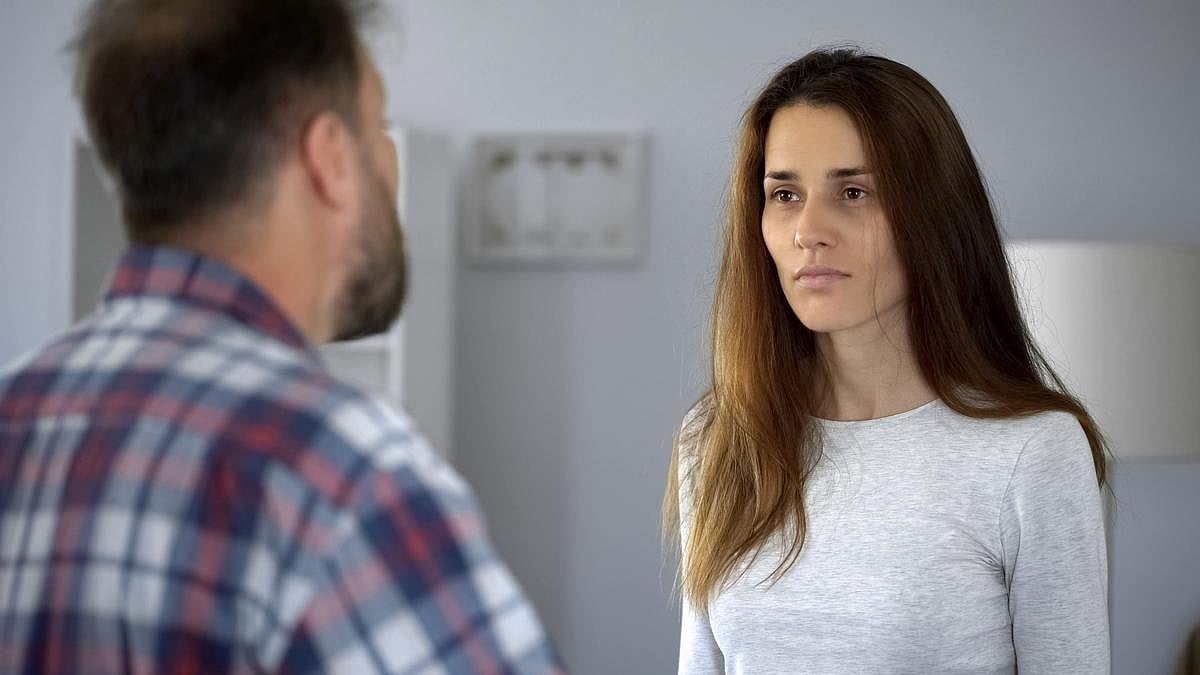
Spending time with someone who constantly causes problems may do more than just ruin your mood.
Over time, those stressful relationships could also affect your health and even speed up aging, a recent study suggests.
Researchers looked at the effects of people they call "hasslers," folks who “create problems or make life more difficult.”
The study -- funded by the National Institute on Aging and published last month in the journal Proceedings of the National Academy of Sciences -- found that regular contact with these difficult people may raise your stress levels and speed biological aging.
Biological aging refers to how quickly your body’s cells age, which doesn’t always match your actual age in years.
The research team analyzed data from more than 2,000 people who took part in a health survey in Indiana.
Participants answered questions about their relationships during the previous six months. They were asked how often someone in their lives “hassled them, caused problems or generally made their lives more difficult.”
Researchers also asked people to rate their overall health and collected saliva samples. The samples helped scientists measure epigenetic markers.
A clear pattern emerged: For each additional hassler a person regularly interacted with, their pace of biological aging increased by about 1.5%.
That means someone with an extra difficult person in their life might age about 1.015 biological years for every calendar year, researchers explained.
“Even small effects in terms of biological aging can accumulate,” study co-author Brea Perry, a sociology professor at Indiana University, told The Washington Post.
Still, the researchers stress that the study does not prove that difficult people directly cause aging.
“We do not know whether hasslers actually cause people to age,” said lead author Byungkyu Lee, a sociology professor at New York University. “What we observe here is a kind of association between having hasslers and the rate of aging.”
The study also found that certain people were more likely to report having difficult people in their lives.
Women reported more hasslers than men.
This isn't "completely shocking," said Debra Umberson, a sociology professor at the University of Texas at Austin who reviewed the findings.
Past research has shown that women often feel the effects of relationships more strongly, both the good and the bad.
“Women tend to be disproportionately affected both positively and negatively by things that are happening in relationships and by their relationship with other people,” Perry said.
“So it wasn’t that surprising to us that women might have more people who cause problems in their lives, in part because they are probably more likely to perceive the problems that others are having and to feel them and to sort of take those on as stress,” she explained.
People in poorer health and those who had difficult childhood experiences were also more likely to report hasslers.
What's more, “we found that a lot of these hasslers are family members,” Perry said. “Those are people who are embedded in your life in ways that are difficult to escape or difficult to kind of renegotiate.”
Parents and children were more likely to be named as sources of stress than spouses.
Outside the family, folks were more likely to name co-workers, roommates and neighbors as hasslers than friends.
Experts said the obvious solution is to reduce contact with anyone who constantly brings stress into your life.
But that’s not always possible. Family members and co-workers may still be part of daily life.
“I think for me, boundary setting is important,” Perry said. “As soon as you recognize that someone who is a hassler has these negative biological consequences for you, set limits on the effort you’re putting into that relationship.”
Experts also recommend spending time with people who do offer support and companionship.
Strong social connections have been linked to many health benefits, including lower risk of cognitive decline and longer life.
In contrast, loneliness and social isolation can be dangerous. A recent World Health Organization report linked loneliness to about 871,000 deaths each year.
“It’s just very important to have relationships,” Umberson said. “I wouldn’t want to overlook that part of it.”
More information
The Mayo Clinic has more about the effects of stress on your body.
SOURCE: The Washington Post, March 8, 2026


